Close-range techniques
Chi Sao, or sticky hands, develops exceptional sensitivity, allowing an immediate response to an opponent's movements.
.png) Shaolin Nam Anh Kung FuPlateau Mont-RoyalContact us ↗
Shaolin Nam Anh Kung FuPlateau Mont-RoyalContact us ↗THE ART OF PURPOSEFUL MOVEMENT
 詠
詠SHAOLIN NAM ANH
AN ART PASSED DOWN. A LIVING PRACTICE.
Fluid movement.
Precise intention.
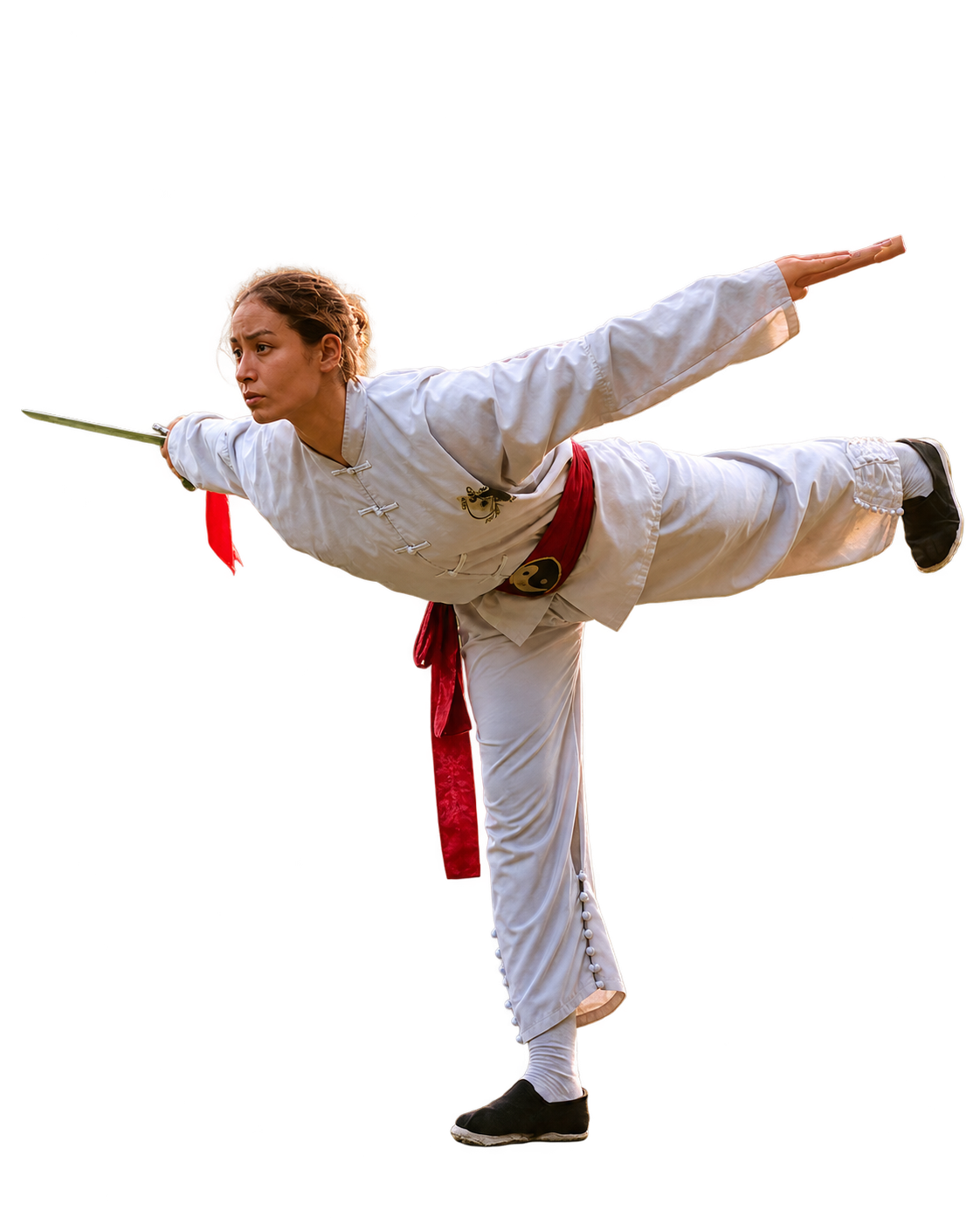
Wing Chun is rooted in the martial traditions of Shaolin. This distinctive style was created by Yim Wing Chun, a remarkable woman, who learned her art from Ng Mui, a legendary Buddhist nun recognized as her mentor and teacher. After the destruction of the Shaolin temple, Ng Mui passed her knowledge and philosophy to Yim Wing Chun, giving rise to a martial art combining fluidity, precision and efficiency, founded on the central principle: “Do not use force against force.”
Wing Chun was originally developed specifically to counter Pak Mei, adding a rich historical dimension to its evolution.
“You must ask for the bridge
– Grandmaster Nam Anh
before you can cross it.”
Wing Chun stands out for its subtle yet highly effective approach:
Chi Sao, or sticky hands, develops exceptional sensitivity, allowing an immediate response to an opponent's movements.
Fluid, fast movements designed to minimize unnecessary motion.
Skillful redirection of an opponent's energy, drawing on the philosophy of Yin and Yang to balance defence and attack.
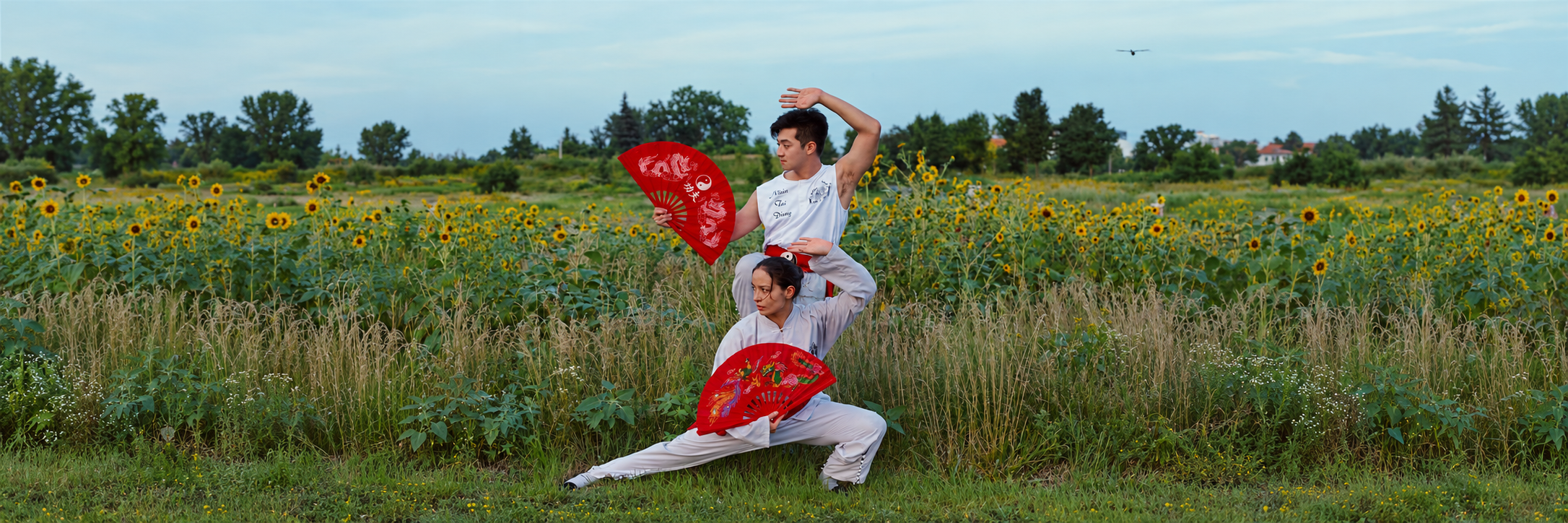
Beginner Wing Chun and Pak Mei classes take place on Monday and Wednesday, from 7:30 to 9 p.m.
The regular adult rate is $150 per month. Three- and six-month plans, as well as student and children's rates, are also available. View all plans.
At 3486-A, rue D’Iberville, Montréal, QC H2K 3E2. View the location.
Write to [email protected] or call 438-830-9369 to learn about the arrangements and discuss your experience.
Tell us about your experience and goals. We will explain the classes, schedule and training arrangements at our school.
Ask about Wing Chun ↗Controlled power.
Direct movement.